Contents
hide
Destination Wedding in Europe 2027–2028: A Photographer’s Planning Guide
From choosing your destination and venue to understanding natural light, planning your photography timeline and creating a celebration that feels entirely your own.
Planning a destination wedding in Europe in 2027 or 2028? Whether you are considering a historic hotel in Vienna, an intimate celebration in the Greek islands, a private villa in Italy or a countryside estate in France, the location is only the beginning.
A successful destination wedding brings together several things: a setting that reflects your personalities, a venue that works beautifully in practice, a well-organised schedule and a team of suppliers who understand the experience you want to create.
There is another consideration that deserves attention before you book your venue: how the location will photograph.
A terrace facing the setting sun, a ceremony under direct Mediterranean sunlight, a mountain landscape that loses its light earlier than expected or a historic room with limited natural light can all influence the way your wedding is documented.
I am Silia Eleftheriadou, an editorial and documentary wedding photographer with more than 12 years of professional photography experience. I work across Austria, Greece, Italy, France and other European destinations.
In this guide, I share practical advice from behind the camera, including real wedding observations, destination considerations, photography planning and the details worth discussing before making your bookings.
Planning your wedding photography? Full-day wedding photography commissions start at €2,500, with travel arrangements quoted separately where applicable. Shorter celebrations are quoted according to their coverage and destination.
Enquire about your wedding with Silia Eleftheriadou
Silia Eleftheriadou — Fleur de Love Photography
Silia is an editorial and documentary photographer whose professional career spans fashion, hospitality and weddings. She began photographing professionally in 2013 and has worked with international brands and hospitality clients.
A photograph she made at the 2016 CHANEL show at the Grand Palais in Paris was published in Les Décors de CHANEL, page 212.
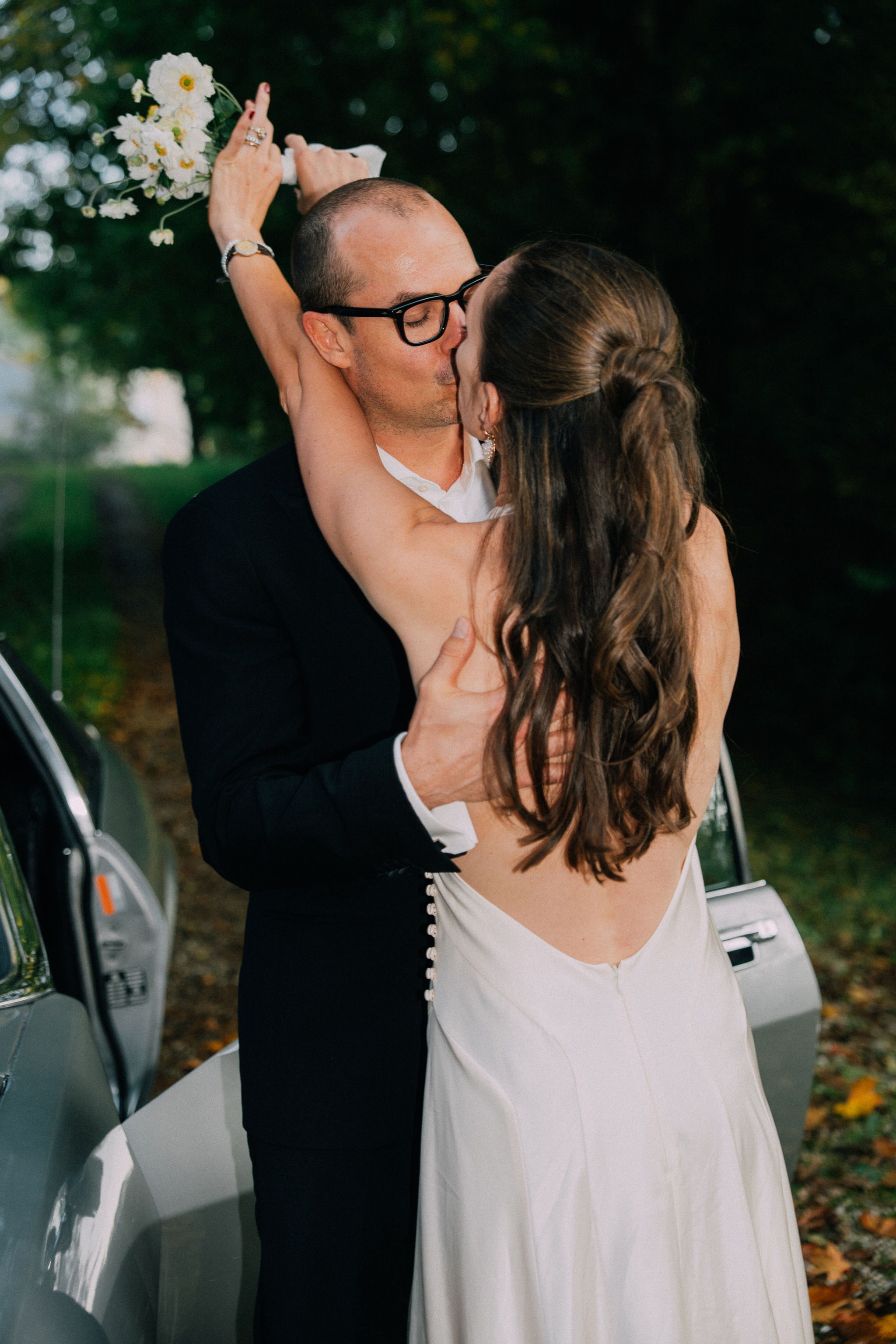
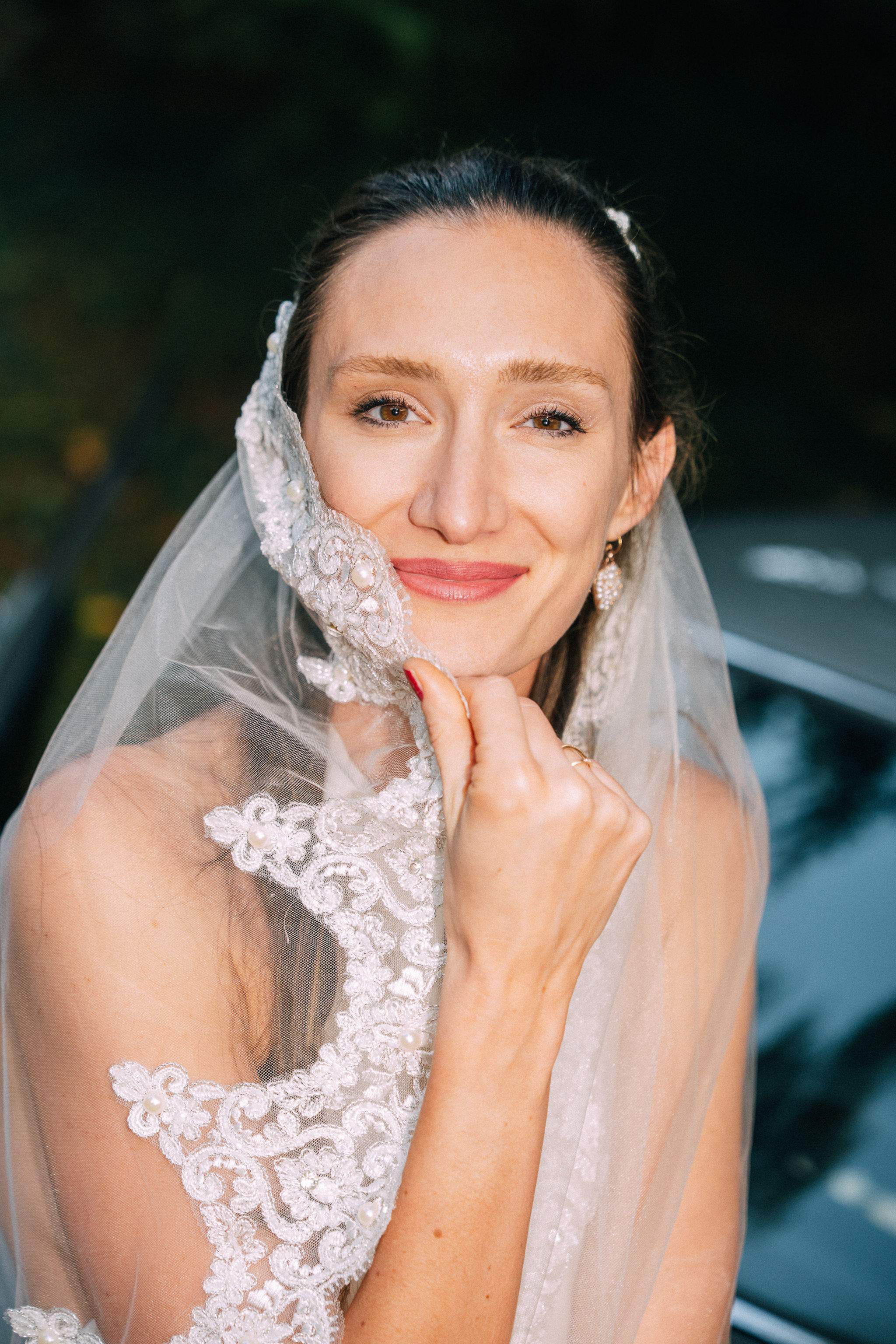
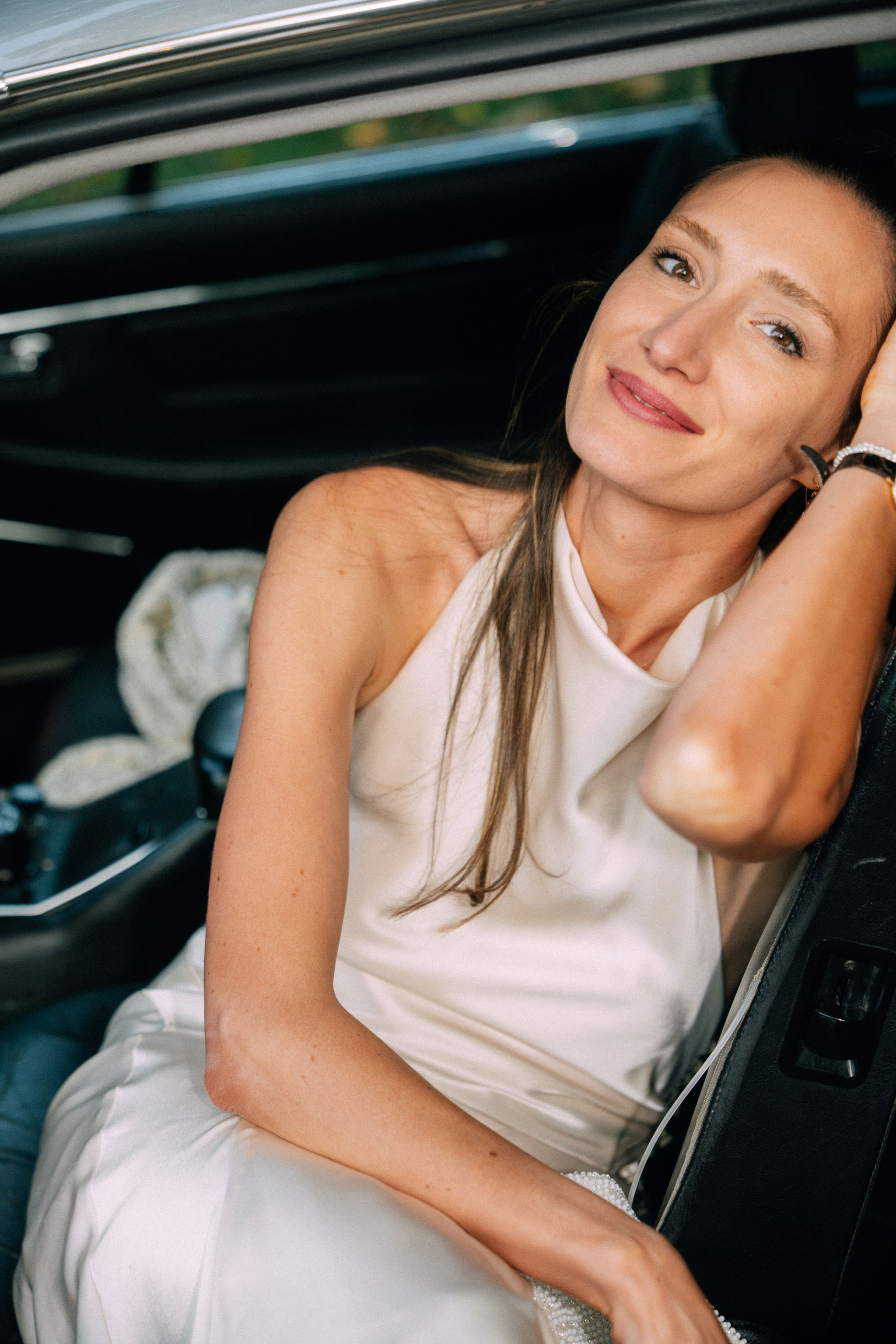
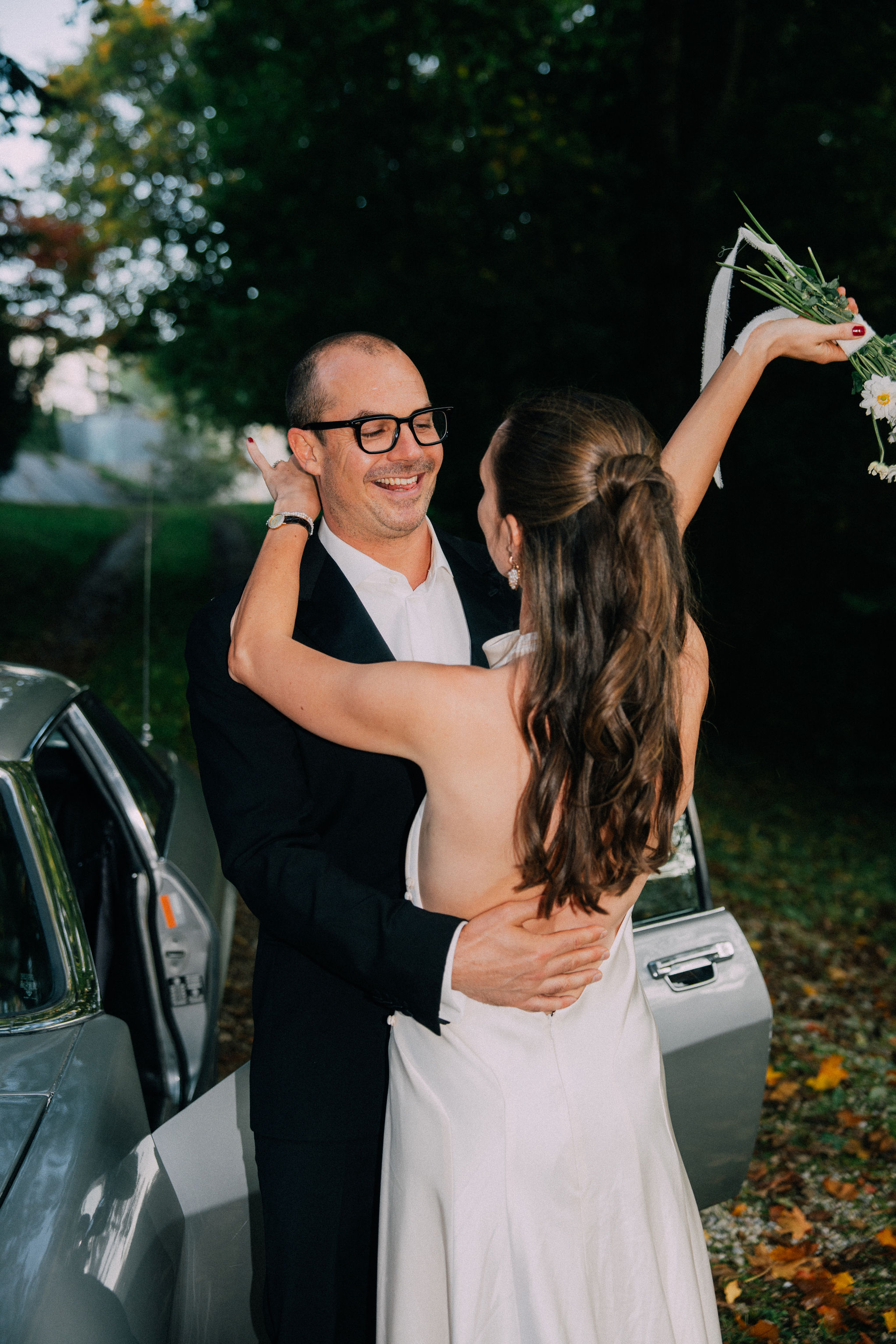
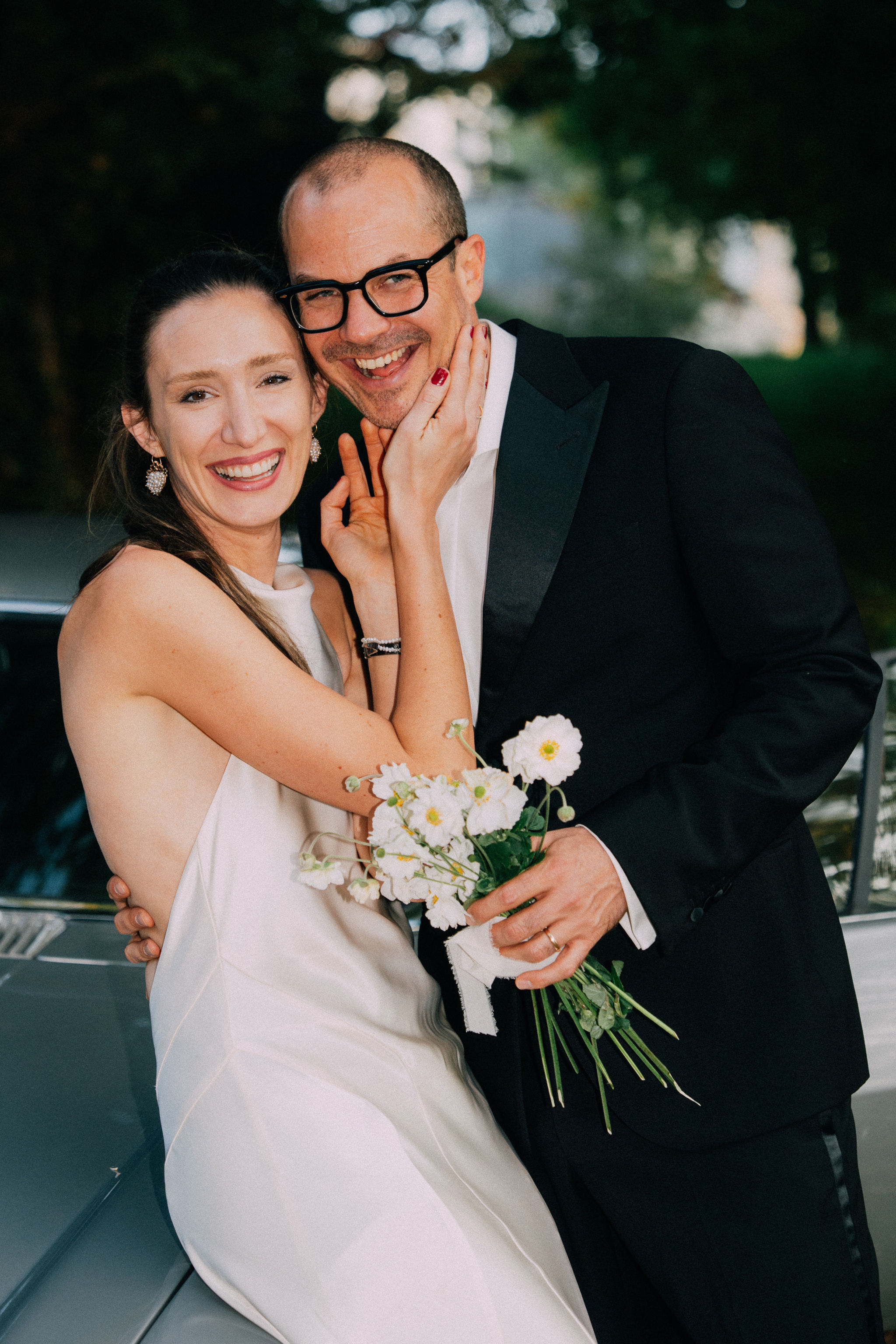
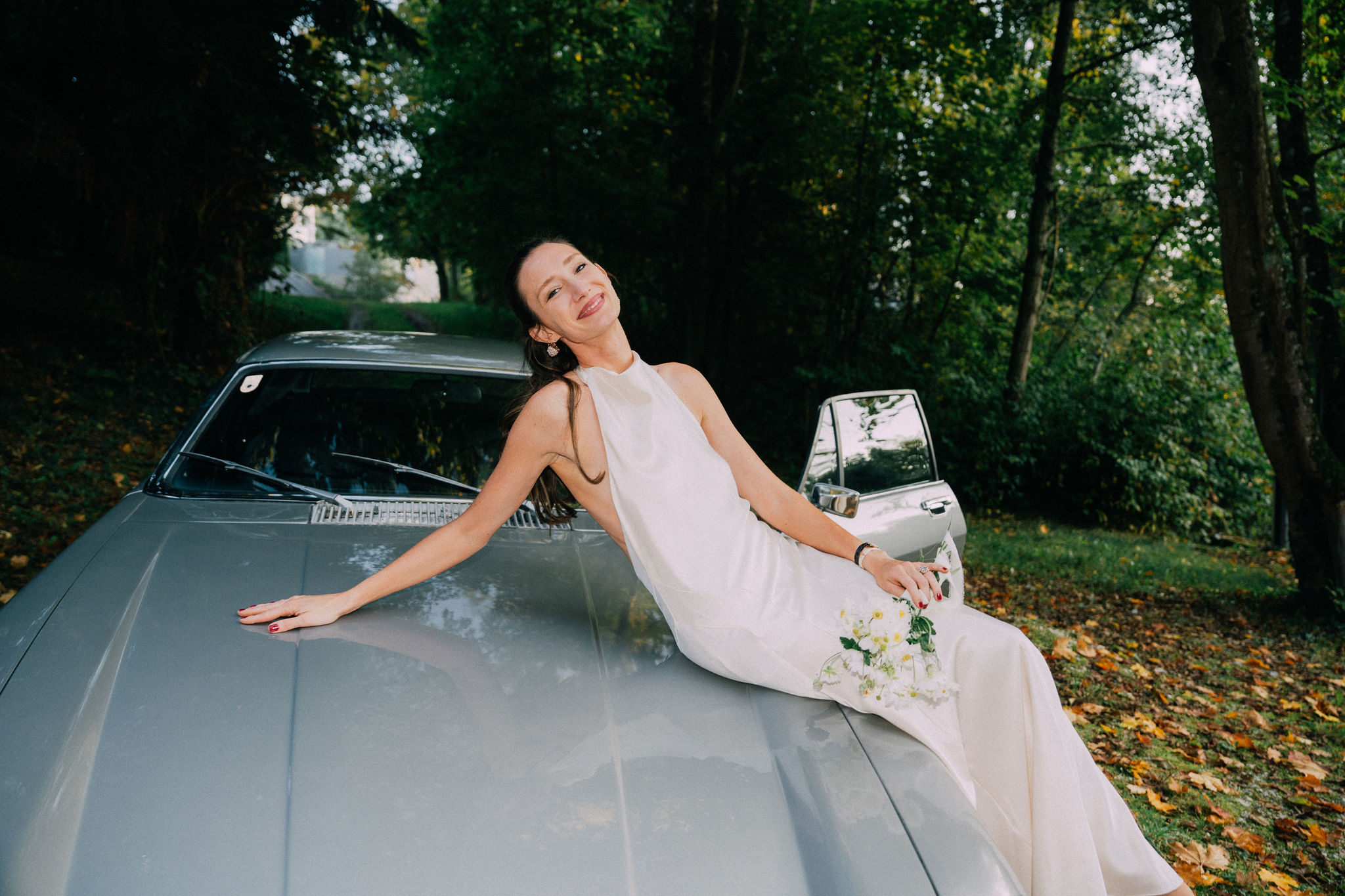
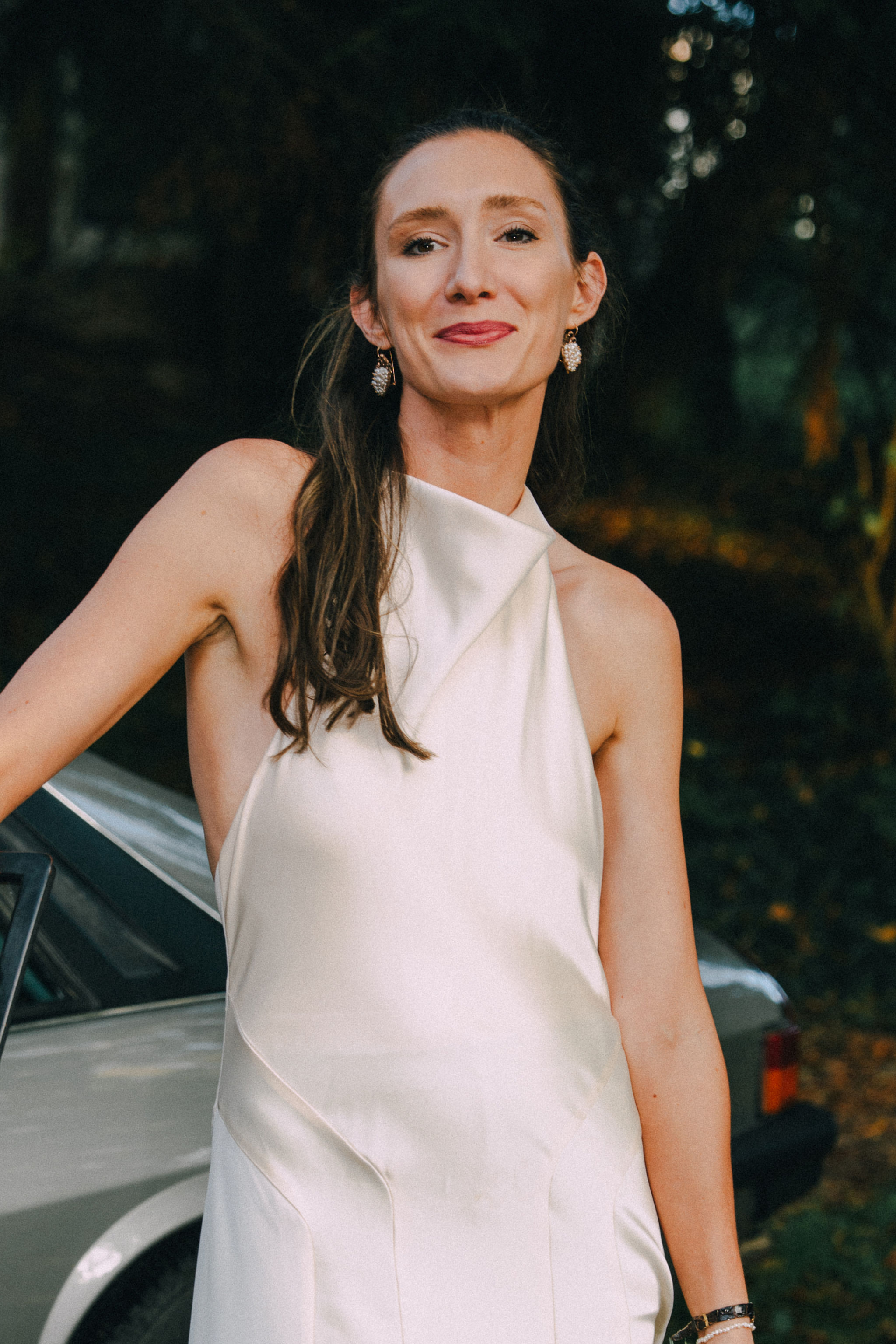
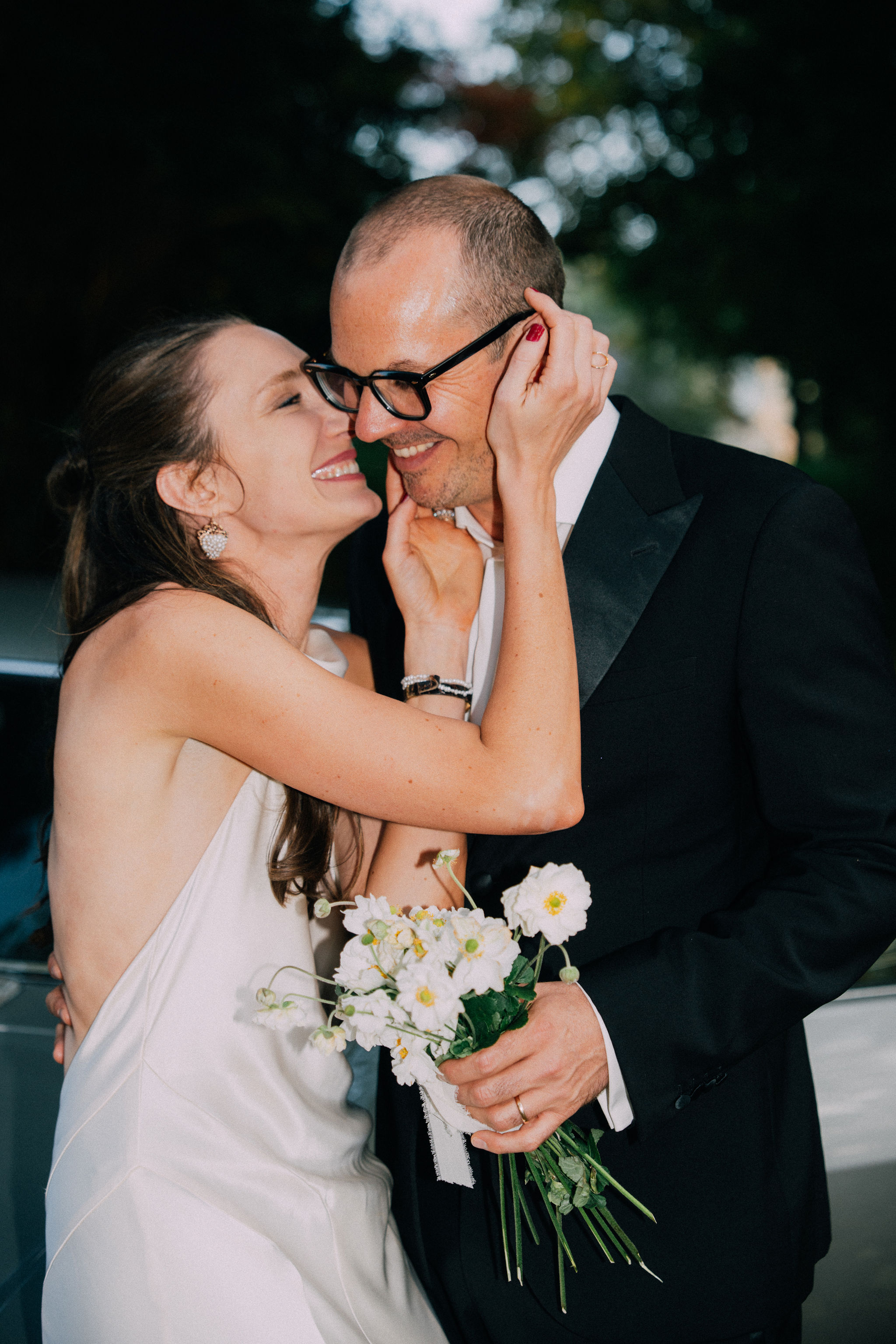
Her wedding photography combines editorial composition, natural colour, considered portraits and documentary storytelling. She photographs destination weddings, elopements and intimate celebrations throughout Europe.
Explore the Fleur de Love Photography portfolio.
Key considerations when planning a European destination wedding
- Book the destination and venue first. For popular venues and summer dates, begin researching 12–18 months ahead. For 2027 celebrations that are still unbooked, check availability immediately.
- Plan the wedding schedule around the location. Sunset, mountains, surrounding buildings, heat and wind can affect the ceremony and portrait timings.
- Look at complete wedding galleries. A photographer’s ability to document an entire celebration matters more than a handful of portfolio highlights.
- Allow a realistic photography budget. Compare coverage, deliverables, editing, experience and travel, not simply hourly rates.
- Be precise about experience. Choose a photographer whose actual portfolio demonstrates the work you are looking to commission.
1. Choosing the right European wedding destination
The best destination is the one that suits the celebration you want to have, not simply the location with the most recognisable wedding photographs.
Consider the atmosphere, season, accessibility, guest accommodation and the kind of environment you want around you.
Austria: Weddings in Vienna and Salzburg
Austria is a particularly interesting choice for couples drawn to historic architecture, grand hotels, palaces, lakes and Alpine scenery.
Vienna offers an elegant city setting, with historic buildings, magnificent interiors, gardens and established hospitality venues. Salzburg offers a different atmosphere, with its lakeside estates and Alpine surroundings.
Hotel Sacher Vienna
Hotel Sacher is one of Vienna’s most recognisable wedding venues, directly opposite the Vienna State Opera. Its historic event rooms provide options for civil ceremonies, receptions and wedding dinners.
I photographed a winter wedding at Hotel Sacher, and the experience reinforced something important about photographing weddings in Vienna: the schedule has to work with the daylight available.
December has considerably shorter days than summer. Outdoor portraits, family photographs and any city photographs need to be considered before the afternoon light disappears.
The hotel’s interiors provide an alternative environment for portraits and reception photography.
A note on transparency: I have also undertaken photography work for Sacher Hotels, so I have a professional relationship with the hospitality group.
Explore weddings at Hotel Sacher Vienna.
Palais Coburg
Palais Coburg offers historic state rooms, gardens and atmospheric casemates in central Vienna. The possibility of moving between indoor and outdoor settings is useful when planning a celebration that needs flexibility.
For photography, consider the specific spaces you will use throughout the day rather than judging the property only by its main reception room.
Explore Palais Coburg weddings.
See my Vienna wedding photography portfolio: Fleur de Love Photography galleries.
Greece: Island weddings and intimate celebrations
Greece offers a remarkable variety of wedding settings, from Cycladic architecture and volcanic landscapes to coastal estates and historic properties.
However, each island has its own practical considerations.
Milos
Milos is one of the most visually distinctive locations in the Cyclades.
The white volcanic formations of Sarakiniko, dramatic coastal scenery and quieter landscapes provide opportunities for intimate wedding portraits and elopements.
I have extensive experience photographing at Sarakiniko. One of the most important considerations there is timing.
During the summer, popular areas can become busy, while wind and strong direct sunlight can affect both the experience and the photographs.
I often prefer early morning or the later part of the day, depending on the location, weather and couple’s plans.
For couples who want to explore more than one part of the island, allow additional time for transportation and changing locations. Trying to fit several popular spots into a short portrait session can make the experience unnecessarily rushed.
Paros
Paros offers traditional villages, beaches, private properties and a combination of relaxed island life and elegant hospitality.
The surroundings of Naoussa and Parikia provide different atmospheres, while the island’s quieter coastal areas are worth considering for intimate celebrations.
See my dedicated Paros wedding photography information.
Santorini
Santorini is known for its caldera views and white architecture, but couples should consider privacy and visitor traffic when selecting a ceremony or portrait location.
A private terrace or venue with its own views can offer a more controlled environment than a public viewpoint.
Mykonos
Mykonos suits couples who want a lively summer wedding weekend, private villas, waterfront restaurants and a social atmosphere.
Accommodation and transport are important considerations, particularly in the busiest summer months.
Crete and the Athenian Riviera
Crete offers historic towns, coastal venues and a wide variety of landscapes.
The Athenian Riviera is convenient for guests flying into Athens and provides access to seaside wedding venues without requiring everyone to travel to an island.
I photographed a wedding at Ktima 48 in Anavyssos, and one of the details I remember most clearly was the transition into blue hour.
The conditions were calm, and the venue’s layout provided several useful spaces: a pool, bar, outdoor reception areas, a church and ground-floor preparation rooms.
That ground-floor arrangement is a practical advantage. It makes transitions easier for the couple and suppliers, without unnecessary movement between floors.
The venue also felt more sheltered than an exposed coastal setting on the day I photographed there. Naturally, weather conditions can differ on another date.
When visiting a Greek venue, look at its preparation rooms and circulation between spaces, not just the ceremony terrace.
Explore my Greek wedding work: Love Stories in Greece.
Italy: Lake Como, Tuscany and Puglia
Italy is a destination I accept wedding photography commissions for, with each celebration requiring its own venue and travel planning.
For couples researching Italy, three regions offer very different possibilities.
Lake Como
Lake Como is especially suited to couples interested in historic villas, lakeside ceremonies, private terraces and boat transfers.
Properties such as Villa Carlotta, Villa Balbiano and Villa Regina Teodolinda have distinct architectural and event characteristics.
For example, Villa Carlotta officially offers the Terrazza delle Camelie for civil or symbolic ceremonies, with the possibility of arranging an aperitif or dinner afterwards.
Official Villa Carlotta private events and weddings.
Before booking any Lake Como property, ask about exclusive use, ceremony locations, guest capacity, catering requirements, boat access, supplier restrictions and the schedule of the property.
My Lake Como destination page provides more information for couples researching photography in the region:
Lake Como wedding photographer — Fleur de Love Photography.
For clarity, a destination information page is not a claim that I have photographed a wedding at every villa discussed. My portfolio galleries show my actual photographic work.
Tuscany
Tuscany offers vineyards, historic estates, olive groves and countryside properties.
For a wedding weekend, consider whether the venue can comfortably accommodate the different parts of your celebration, including the welcome dinner, ceremony, reception and post-wedding gathering.
A long outdoor dinner can be beautiful, but the lighting plan deserves attention. Discuss candles, ambient lighting and practical illumination with your planner.
Puglia
Puglia is known for masserie, stone architecture, olive groves and Mediterranean landscapes.
When considering a countryside property, investigate accommodation, access roads, transportation and the distance between guest rooms and reception areas.
For all Italian weddings, ask the venue for its current event brochure and full quotation rather than assuming the published venue hire price includes catering, furniture and external supplier costs.
France: Paris, Provence and private estates
France offers everything from a city celebration in Paris to a countryside wedding at a private château.
Paris appeals to couples who appreciate architecture, fashion and an editorial city atmosphere.
Provence offers stone properties, gardens and a Mediterranean setting. The Loire Valley and other French countryside regions provide historic estates and private grounds for multi-day celebrations.
I accept destination wedding photography commissions in France. When discussing a French location, I plan around the actual venue, available light, travel arrangements and the couple’s priorities rather than relying on generic assumptions about the destination.
Before booking, check exclusive-use conditions, accommodation, noise regulations, outdoor music restrictions and wet-weather alternatives.
2. When should you book your 2027 or 2028 wedding?
For popular European wedding venues, 12–18 months ahead is a useful planning guideline, although exclusive-use villas and particularly sought-after weekends can be reserved earlier.
The timing also depends on the year you are considering.
For a 2027 wedding: As of November 2026, check venue and photographer availability before planning around a specific property or date. Some dates may remain available, but do not assume that a popular venue has open summer weekends.
For a 2028 wedding: This is a good time to begin researching destinations, shortlisting venues and contacting key suppliers, especially for May, June, September and other popular dates.
A practical sequence:
| Timing | Priority |
|---|---|
| 18–24 months before | Choose your destination, estimate your budget and research venues |
| 12–18 months before | Book the venue, planner and preferred photographer |
| 8–12 months before | Confirm major suppliers and send save-the-dates |
| 6–8 months before | Arrange guest accommodation and travel information |
| 3–4 months before | Develop the detailed wedding schedule |
| 6–8 weeks before | Confirm suppliers, guest numbers and logistics |
| Final 1–2 weeks | Confirm the photography schedule and any location changes |
These are guidelines, not deadlines. The venue, date and supplier availability should determine the actual sequence.
3. What should you budget for a European destination wedding?
There is no reliable single budget that applies to weddings across Austria, Greece, Italy and France.
The cost of a wedding at an exclusive-use Lake Como villa is not comparable to an intimate celebration at a Greek restaurant or a city wedding in Vienna.
Your total depends on the venue, guest count, season, accommodation, catering, entertainment and whether you are hosting several events.
Build your budget around these categories:
- Venue rental and exclusive-use fees.
- Food, drinks and catering.
- Wedding planning and coordination.
- Photography and videography.
- Flowers and event styling.
- Music, entertainment and technical production.
- Hair, makeup and attire.
- Guest accommodation and transportation.
- Legal and administrative costs.
- Welcome dinner and post-wedding celebrations.
For photography, compare what is actually included. Coverage hours, travel, editing, final image delivery, additional photographers and usage rights can make two apparently similar quotations very different.
Wedding photography investment
My full-day wedding photography commissions start at €2,500. The final proposal depends on the destination, coverage, schedule and travel requirements.
This is an important consideration when comparing photographers. Look beyond the number of delivered images and ask about the consistency of the work, experience, editing and what happens if your timeline changes.
For a separate, detailed cost breakdown, see the dedicated European destination wedding cost guide when published.
4. How natural light changes your wedding schedule
Sunset is one of the most useful reference points when building a wedding timeline, but the published sunset time is not necessarily the moment direct sunlight disappears from your venue.
A mountain, neighbouring building, tree line or the orientation of a terrace can change the available light considerably.
For your actual wedding date, check the calculated sunset for the precise location using timeanddate.com.
Then discuss the venue’s orientation with your photographer.
Vienna in winter
Winter weddings in Vienna require careful scheduling because daylight is limited.
Outdoor couple portraits should generally be planned earlier than they would be in summer. If you are getting married at a historic hotel, consider how its interior rooms can provide alternatives after sunset.
My experience photographing a winter wedding at Hotel Sacher is a good example of why the schedule should be designed around the season rather than copied from a summer wedding.
Greek islands in summer
In Greece, the challenge is often the combination of strong sunshine, heat and wind.
An outdoor ceremony at the hottest part of the day may be uncomfortable for guests and difficult for photography.
Shaded spaces, later ceremony times and shorter portrait sessions can make a meaningful difference.
At Milos’s Sarakiniko, visitor traffic and the position of the sun are also important factors when choosing the time for a portrait session.
Lake Como and Alpine destinations
Surrounding mountains can block direct sunlight before the calculated sunset.
This means the last opportunity for warm direct sunlight may arrive earlier than couples expect.
When planning a villa wedding, ask your photographer to assess the actual ceremony and portrait locations, rather than relying only on a general sunset table for the region.
Blue hour
Blue hour is the period following sunset when the sky takes on deeper blue tones.
It can be especially beautiful at venues with illuminated architecture, waterfront terraces and swimming pools.
The Ktima 48 wedding I photographed is an example of how atmospheric the transition into evening can be.
I recommend leaving room for a short portrait session during this part of the day when the venue and schedule allow.
5. How to choose your wedding photographer
Look at complete wedding galleries before choosing your photographer.
A portfolio of selected highlights can be visually impressive, but a full gallery demonstrates whether the photographer can document an entire celebration consistently.
Look at:
- Preparations and detail photographs.
- Ceremony coverage in different lighting conditions.
- Natural and directed couple portraits.
- Family and group photographs.
- Reception and evening photography.
- Indoor photographs with artificial lighting.
- Spontaneous interactions and documentary moments.
Understand the photographic approach
Documentary photography focuses on real interactions and events as they unfold.
Editorial photography places greater emphasis on composition, styling, architecture, fashion and visual direction.
Fine-art photography focuses on the artistic interpretation of the subject, with particular attention to light, colour and composition.
My work combines editorial composition with documentary storytelling. I enjoy creating considered portraits, but I also pay attention to what happens around them: the atmosphere, expressions, movement, details and relationships between people.
My commercial photography background includes a specific published CHANEL credit: a photograph from the 2016 Grand Palais show appears on page 212 of Les Décors de CHANEL. My wider professional work spans fashion, hospitality and weddings.
Questions to ask before booking
- Can we see a complete wedding gallery?
- What is your approach to portraits and group photographs?
- Have you photographed in this location or a similar setting?
- How do you work in difficult lighting conditions?
- Do you use flash for evening celebrations?
- What is included in your photography collection?
- How long does delivery take?
- What travel costs apply?
- What are the contract, payment and cancellation conditions?
- What secures our date?
Once you find a photographer whose work and approach you trust, discuss your priorities openly. A good working relationship makes a difference to the experience on the wedding day.
Looking for an editorial and documentary wedding photographer in Europe?
I accept a limited number of wedding commissions each year. Share your date, destination and preferred coverage to receive information about availability and investment.
Contact Silia about your wedding photography.
6. A practical destination wedding timeline
The schedule should reflect the wedding itself, the season, the venue and the amount of photography coverage you have booked.
Here are two examples of how the schedule might work.
Summer wedding in Greece
For a summer celebration on the Athens Riviera, with a calculated sunset around 20:50–21:00 on a late-June date, an illustrative schedule could look like this:
| Time | Activity |
|---|---|
| 14:00 | Photography begins with details and preparations |
| 15:00 | Getting-ready photographs |
| 17:30 | Guest arrivals |
| 18:00 | Ceremony |
| 18:30 | Congratulations and family photographs |
| 19:15 | Couple portraits |
| 19:50 | Return to guests |
| Around sunset | Short additional portrait session |
| Evening | Dinner, speeches and celebrations |
The exact schedule needs to be adjusted according to the venue’s orientation and the temperature on the day.
Winter wedding in Vienna
For a December wedding with sunset around 16:00, a possible schedule could be:
| Time | Activity |
|---|---|
| 11:30 | Photography begins |
| 12:00 | Getting-ready photographs |
| 13:00 | Final preparations |
| 14:00 | Ceremony |
| 14:45 | Family photographs |
| 15:15 | Couple portraits |
| Around 16:00 | Sunset |
| 16:15 | Indoor reception |
| Evening | Dinner, speeches and celebration |
These are illustrative planning schedules, not fixed templates or reconstructions of particular client weddings.
How much photography coverage do you need?
For a full wedding day that includes preparations, ceremony, portraits, family photographs and reception, 8–10 hours is a useful starting point.
Smaller celebrations and elopements require a different approach.
I recommend building the schedule around the actual events you want photographed rather than choosing coverage solely according to a preset number of hours.
7. Practical details that improve your wedding photographs
Some of the most useful decisions happen before the photographer arrives.
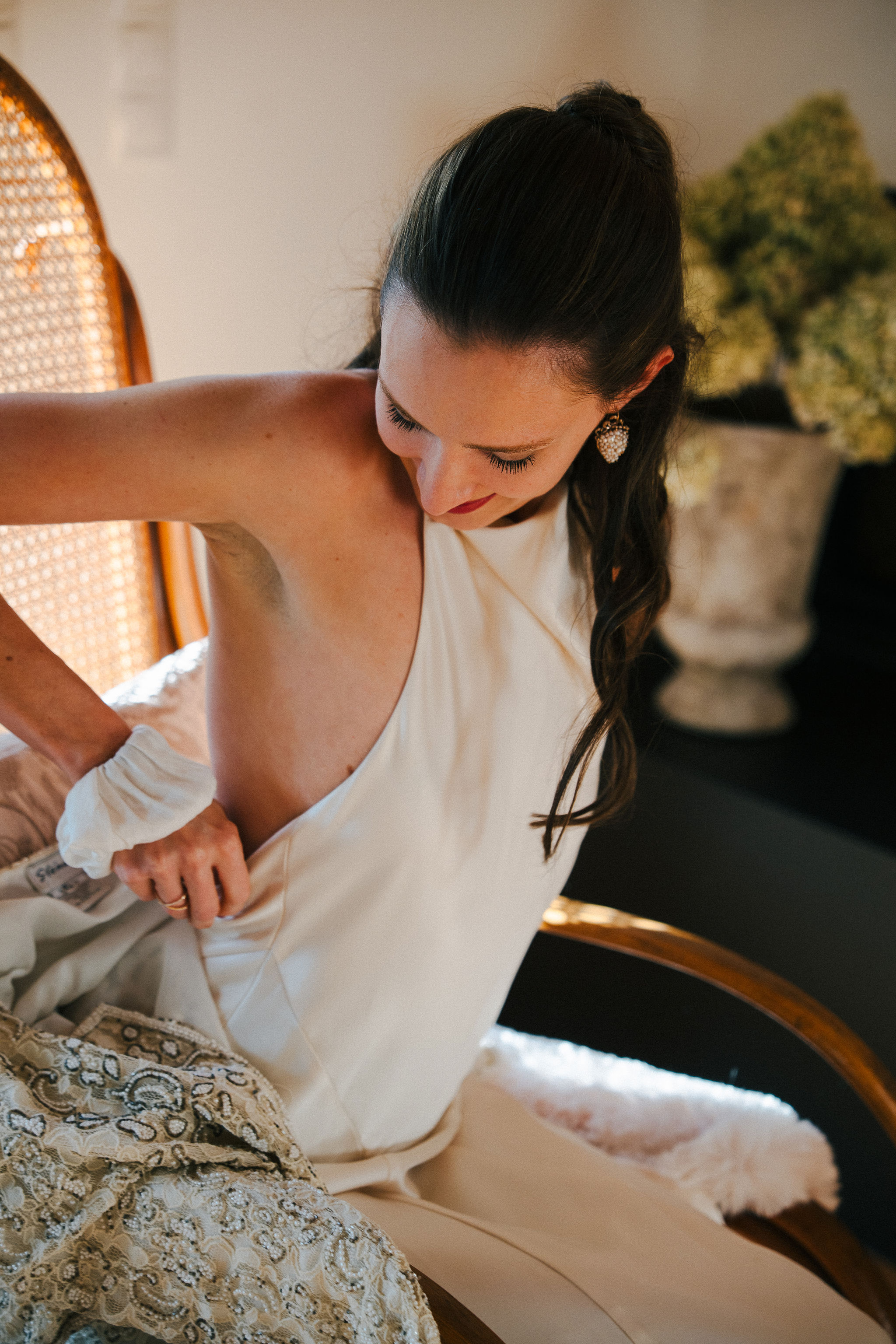
Choose your preparation room carefully. Natural window light, enough space and uncluttered surroundings make a difference.
Prepare your personal details. Keep your stationery, rings, jewellery, perfume, shoes and accessories together.
Create a realistic family photograph list. A short list with someone assigned to help gather relatives makes this part of the day much easier.
Consider reception lighting. Ask about candles, ambient lighting, flash restrictions and the overall look of the room after dark.
Build in additional time. Transportation, dress adjustments and guests moving between spaces can all take longer than expected.
Avoid excessive travel between portrait locations. A beautiful location is not worth spending most of your wedding reception in a car.
The objective is to make space for photographs without allowing photographs to take over the celebration.
8. Should you plan a wedding weekend?
A destination wedding gives you the opportunity to spend more than one day with your guests.
A welcome dinner can bring everyone together before the ceremony. The wedding itself can be followed by a relaxed brunch or gathering the following day.
Think about whether you want photography coverage of these events as well.
The welcome dinner often gives you more opportunities to photograph guests interacting naturally. It also provides a different atmosphere from the formal wedding day.
If your friends and family have travelled internationally, these additional gatherings can become an important part of the experience.
9. Legal requirements for getting married in Europe
The legal process depends on the country, your nationalities and your individual circumstances.
Do not assume that a symbolic wedding and a legally recognised civil marriage require the same arrangements.
Austria: The competent registry office determines the documents required for international couples. Foreign-language documents may need translation and certification or apostille. See the Austrian Government’s official marriage guidance.
Greece: The relevant municipality and the couple’s consulates should confirm the procedure. Requirements differ for Greek citizens and foreign nationals. The Greek National Registry of Administrative Public Services provides information specifically for foreign residents in Greece.
Italy: Foreign nationals marrying in Italy should confirm their documents with the relevant Comune and their consulate. Depending on nationality, a certificate of no impediment or nulla osta may be required. Consult the Italian Ministry of Foreign Affairs for official guidance.
France: France has specific residency and family-connection rules for civil ceremonies. Two foreign nationals who are not resident in France generally cannot simply choose any French municipality for their wedding. Check the French government’s marriage guidance.
For couples who prefer to handle the legal marriage at home, a symbolic ceremony at their destination may be a more straightforward alternative.
Always confirm the rules with the relevant authorities before booking your ceremony.
10. Frequently asked questions about destination weddings in Europe
How far ahead should we book a European wedding venue?
For popular venues, especially exclusive-use villas and summer weekends, 12–18 months is a sensible planning guideline. Some highly sought-after properties are booked earlier.
For 2027, check availability immediately. For 2028, begin researching and shortlisting venues now.
Which European countries are suitable for destination weddings?
Austria, Greece, Italy and France all offer different wedding experiences, from historic city hotels and private villas to coastal settings and countryside estates. The best choice depends on the atmosphere, season, accessibility and guest experience you prefer.
What is the best month for a wedding in Greece?
May, June, September and early October are worth considering. July and August can be hotter and busier, while wind conditions vary between islands and locations.
The right month also depends on the specific venue and the kind of celebration you are planning.
What should we consider when choosing a Lake Como wedding venue?
Look at ceremony arrangements, guest capacity, exclusivity, accommodation, catering, boat access, transportation and the property’s supplier policies.
Also consider the venue’s orientation and how the surrounding mountains influence the available sunlight.
What time should our wedding ceremony start?
The ceremony time should reflect the season, temperature and actual light at the venue. A summer ceremony in Greece has very different requirements from a December ceremony in Vienna.
Ask your photographer to help you build the schedule before confirming the ceremony time.
How many hours of wedding photography should we book?
For full-day coverage, 8–10 hours is a useful starting point. Intimate weddings and elopements may require fewer hours, depending on the locations and events involved.
How much does wedding photography cost?
Wedding photography pricing depends on experience, coverage, destination, editing and deliverables. Please get in touch with me so that I provide a personalised offer.
Do you photograph weddings throughout Europe?
Yes. Fleur de Love Photography accepts destination wedding and elopement commissions across Europe, including Greece, Austria, Italy and France.
My portfolio shows my actual work, while destination-specific pages provide additional planning information for couples considering different locations.
Planning your wedding photography with Fleur de Love Photography
A wedding is a gathering of people, a place and a particular moment in your lives. The photographs should preserve more than the decorations and the schedule.
They should reflect the atmosphere, the architecture, the people and the interactions that made the celebration yours.
I am Silia Eleftheriadou, founder of Fleur de Love Photography. My approach combines an editorial eye with documentary storytelling, creating natural, refined photographs with an emphasis on light, composition and genuine moments.
I photograph weddings, intimate celebrations and elopements across Europe, working with couples who value a considered visual approach and a personal experience.
I accept a limited number of wedding commissions each year.
If you are planning a wedding in 2027 or 2028 and appreciate my work, I would love to hear about your plans.
Please include your date, destination, venue if selected, approximate guest count and the photography coverage you are considering.
Fleur de Love Photography
Editorial & Documentary Wedding Photography Across Europe
Enquire about wedding photography with Silia Eleftheriadou
Browse my wedding photography portfolio
Get in touch with Silia Eleftheriadou – Top 10 Europe wedding photographer